
Blocked Fallopian Tubes: Can Pregnancy Still Be Possible?
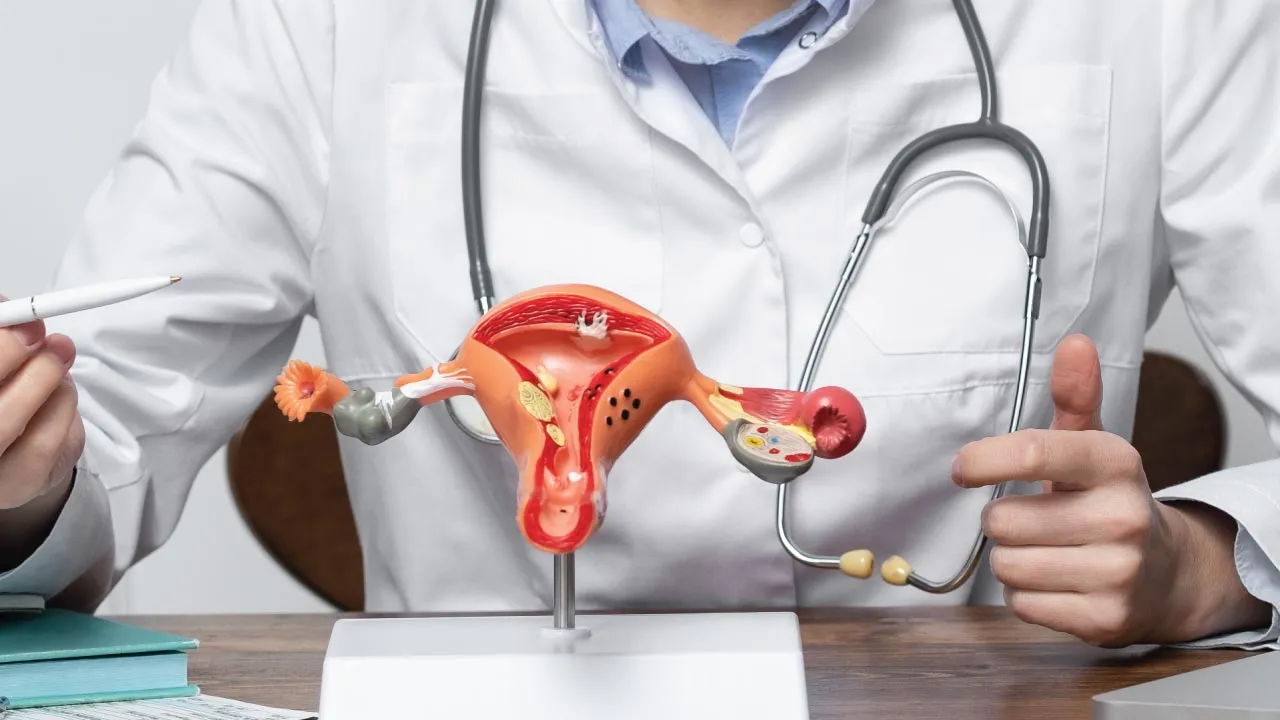
For many couples trying to conceive, discovering that one or both fallopian tubes are blocked can be upsetting. However, a diagnosis of tubal blockage does not always mean pregnancy is impossible. Advances in fertility evaluation and treatment have made it possible for many women with blocked fallopian tubes to achieve pregnancy, depending on the cause and extent of the blockage.
The fallopian tubes play an essential role in natural conception by allowing the egg and sperm to meet. When a blockage prevents this process, fertility may be affected. Understanding the cause of the blockage and the available treatment options is the first step toward planning the most appropriate care.
Dr. Kiranjeet Kaur provides comprehensive fertility evaluations and personalized treatment plans for women experiencing infertility, including those with fallopian tube disorders.
What Are The Fallopian Tubes?
The fallopian tubes are two thin tubes that connect the ovaries to the uterus.
Their important functions include:
- Picking up the egg after ovulation
- Providing the site where fertilization usually occurs
- Transporting the fertilized egg to the uterus for implantation
If one or both tubes are blocked, these steps may be disrupted.
What Causes Blocked Fallopian Tubes?
Several conditions can lead to tubal blockage.
Common causes include:
- Pelvic inflammatory disease
- Previous pelvic or abdominal surgery
- Endometriosis
- Sexually transmitted infections
- Scar tissue from previous infections
- Tubal damage following ectopic pregnancy
- Rare congenital abnormalities
The location and severity of the blockage can influence treatment options.
Can You Get Pregnant With One Blocked Tube?
Yes.
If one fallopian tube is healthy and ovulation occurs from the ovary connected to the open tube, natural pregnancy may still be possible.
However, fertility depends on several factors, including:
- Age
- Ovulation
- Sperm quality
- Overall reproductive health
- The condition of the remaining tube
A fertility evaluation helps determine the likelihood of natural conception.
What If Both Tubes Are Blocked?
When both fallopian tubes are completely blocked, natural conception is usually difficult because the egg and sperm cannot meet.
Even in these situations, pregnancy may still be possible with appropriate fertility treatment, depending on the underlying cause and individual circumstances.
Your gynecologist or fertility specialist will discuss the most suitable options after evaluation.
What Are The Symptoms?
Many women with blocked fallopian tubes have no symptoms.
When symptoms occur, they may include:
- Difficulty becoming pregnant
- Chronic pelvic pain
- Painful periods if associated with endometriosis
- Pain during intercourse
- Previous history of pelvic infection
Some women only discover tubal blockage during infertility investigations.
How Are Blocked Fallopian Tubes Diagnosed?
Several tests may be used to evaluate the fallopian tubes.
Hysterosalpingography
A hysterosalpingography, often called an HSG, is an X-ray procedure in which contrast dye is passed through the uterus to assess whether the fallopian tubes are open.
It is one of the most commonly used initial tests for tubal evaluation.
Sonosalpingography
An ultrasound-based procedure using fluid to evaluate tubal patency may be recommended in selected cases.
Laparoscopy
In some situations, minimally invasive laparoscopic surgery allows direct visualization of the pelvis and fallopian tubes while also identifying conditions such as endometriosis or pelvic adhesions.
Can Blocked Fallopian Tubes Be Treated?
Treatment depends on:
- The location of the blockage
- The cause
- The severity of tubal damage
- Age
- Overall fertility factors
Options may include:
Laparoscopic Surgery
In selected patients, minimally invasive surgery may remove scar tissue, treat endometriosis, or repair portions of the fallopian tube.
The success of surgery depends on the extent of tubal damage.
In Vitro Fertilization
For women with significant tubal damage or complete blockage of both tubes, in vitro fertilization may be recommended because fertilization occurs outside the body before the embryo is transferred into the uterus.
Your fertility specialist will determine whether this is an appropriate option.
Does Every Woman With Blocked Tubes Need IVF?
No.
Some women may conceive naturally, particularly if only one tube is affected or if the blockage is mild and treatable.
The most appropriate treatment varies from person to person and is based on a thorough fertility assessment.
Can Tubal Blockage Increase The Risk Of Ectopic Pregnancy?
Yes.
Damage to the fallopian tubes may increase the risk of an ectopic pregnancy, where a fertilized egg implants outside the uterus, most commonly in the fallopian tube.
Early medical evaluation is important if pregnancy occurs after treatment for tubal disease.
When Should You Seek Fertility Evaluation?
Consult a gynecologist if:
- You are under 35 and have not conceived after one year of regular unprotected intercourse.
- You are 35 or older and have not conceived after six months.
- You have a history of pelvic inflammatory disease.
- You have endometriosis.
- You have experienced an ectopic pregnancy.
- You have undergone previous pelvic surgery.
- You have irregular menstrual cycles or other fertility concerns.
Early evaluation may help identify treatable causes of infertility.
Conclusion
Blocked fallopian tubes can make natural conception more challenging, but they do not always mean that pregnancy is impossible. Depending on whether one or both tubes are affected, the underlying cause, and your overall reproductive health, several treatment options may be available. A timely fertility evaluation is essential for developing the most appropriate treatment plan.
Dr. Kiranjeet Kaur offers comprehensive fertility assessments and individualized care to help women understand their reproductive health and explore suitable options for achieving pregnancy.
FAQs
Q: Can I get pregnant if one fallopian tube is blocked?
A: Yes. If the other tube is healthy and ovulation occurs normally, natural pregnancy may still be possible.
Q: Do blocked fallopian tubes always cause symptoms?
A: No. Many women have no symptoms and only discover a blockage during fertility investigations.
Q: Can blocked fallopian tubes be treated?
A: Treatment depends on the cause and severity of the blockage. Options may include laparoscopic surgery or assisted reproductive techniques when appropriate.
Q: Is IVF the only option for blocked fallopian tubes?
A: No. Some women may benefit from surgical treatment or may conceive naturally if one tube remains open. The most appropriate option depends on individual circumstances.
Q: How are blocked fallopian tubes diagnosed?
A: Common tests include hysterosalpingography, sonosalpingography, and, in selected cases, laparoscopic evaluation.
If you are struggling to conceive or have concerns about blocked fallopian tubes, schedule a consultation with Dr. Kiranjeet Kaur. She provides comprehensive fertility evaluations and personalized treatment plans to help you understand your options and take the next step toward building your family.


OPD TIMING
Clinic: Monday to Saturday
10 am to 12 pm
Hospital: Monday & Friday: 3 pm - 6 pm
Wednesday: 12 pm -2 pm
Thursday: 4 pm -8 pm
Saturday: 8 am -11 am
Ph No - +91-11-71212121
Expert Gynecological Care for Every Stage of Life


OVERVIEW
SERVICES
SUPPORT
© 2025 Aartas Care Pvt. Ltd. | All rights reserved | Website Design by Remedo