
Blocked Milk Ducts: Symptoms And Treatment
Blocked Milk Ducts: Symptoms and Treatment
Meta Title
Breastfeeding is a rewarding experience, but it isn't always without challenges. One common concern many new mothers face is a blocked milk duct. It can cause pain, swelling, and anxiety, especially if you're worried it might affect your baby's feeding.
The good news is that blocked milk ducts are usually manageable with early care and simple measures at home. Recognizing the symptoms and knowing when to seek medical advice can help prevent the problem from progressing to a breast infection, known as mastitis.
What Is a Blocked Milk Duct?
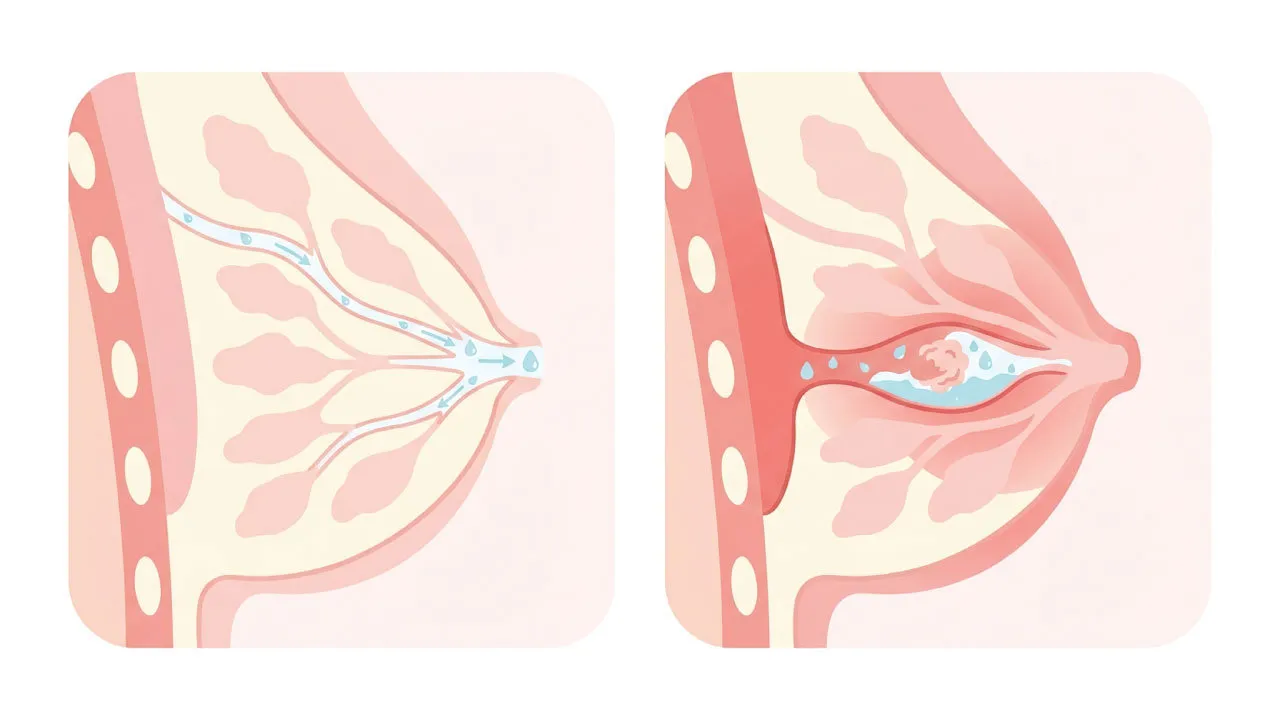
Milk travels from the milk-producing glands in the breast through tiny ducts to the nipple. A blocked milk duct occurs when one of these ducts doesn't drain properly, causing milk to build up behind the blockage.
This can lead to a tender lump in the breast and discomfort during or between feeds. If the blockage isn't relieved, inflammation may increase and, in some cases, develop into mastitis.
What Causes Blocked Milk Ducts?
Several factors can contribute to poor milk drainage, including:
- Skipping or delaying breastfeeding sessions
- An incomplete breast emptying during feeds
- A baby having difficulty latching properly
- Pressure on the breast from a tight bra or clothing
- An oversupply of breast milk
- Sudden changes in your baby's feeding routine
- Long gaps between pumping or breastfeeding sessions
Addressing the underlying cause is an important part of treatment.
What Are the Symptoms?
A blocked milk duct usually affects one area of the breast.
Common symptoms include:
- A tender or painful lump
- Localized swelling
- A firm area in the breast
- Pain that may improve after feeding or expressing milk
- Mild redness over the affected area
- A feeling that part of the breast remains full after feeding
Unlike mastitis, a blocked milk duct typically does not cause high fever or significant flu-like symptoms.
How Can You Treat a Blocked Milk Duct?
Early treatment often helps clear the blockage and relieve discomfort.
Your doctor may recommend:
- Continuing to breastfeed regularly
- Ensuring your baby has a good latch
- Starting feeds on the affected breast if comfortable
- Gently massaging the breast toward the nipple during feeding or expressing milk
- Applying a warm compress just before feeding to encourage milk flow
- Using a cold pack after feeding to help reduce discomfort and swelling
- Staying well hydrated and getting adequate rest
If pain is significant, your doctor may recommend medications that are compatible with breastfeeding.
When Should You See a Doctor?
While many blocked milk ducts improve within a day or two, medical evaluation is important if:
- The lump doesn't improve after 24 to 48 hours
- Pain or redness worsens
- You develop a fever or flu-like symptoms
- Breastfeeding becomes increasingly painful
- You notice pus or unusual nipple discharge
- The lump persists even after the blockage appears to have resolved
These symptoms may suggest mastitis or another breast condition that requires treatment.
Can Blocked Milk Ducts Be Prevented?
Although they can't always be prevented, a few simple habits can lower the risk.
These include:
- Feeding your baby frequently and on demand
- Allowing the breast to drain well during feeds
- Avoiding long gaps between breastfeeding or pumping sessions
- Wearing well-fitting, nonrestrictive bras
- Varying breastfeeding positions when appropriate
- Seeking lactation support if your baby has latching difficulties
Prompt attention to early symptoms can also help prevent complications.
Small Changes Can Make a Big Difference
A blocked milk duct can be uncomfortable, but it's usually a temporary problem that responds well to early care. Continuing to breastfeed, improving milk drainage, and addressing feeding challenges can often bring relief within a short period.
If your symptoms persist or you develop signs of infection, don't delay seeking medical advice. Early treatment can help you recover comfortably and continue your breastfeeding journey with confidence.
Get Comprehensive Women’s Health Care With Dr. Kiranjeet Kaur
If you're experiencing breast pain, a tender lump, or difficulties while breastfeeding, consult Dr. Kiranjeet Kaur for expert guidance. Early evaluation and personalized breastfeeding support can help relieve discomfort, prevent complications, and ensure you and your baby continue to enjoy a healthy breastfeeding journey.
Frequently Asked Questions
Q: Can I continue breastfeeding with a blocked milk duct?
A: Yes. Continuing to breastfeed or express milk is usually encouraged because it helps improve milk drainage and may relieve the blockage.
Q: How do I know if it's a blocked milk duct or mastitis?
A: A blocked milk duct usually causes a localized painful lump without significant fever. Mastitis often causes worsening breast pain along with fever, chills, and flu-like symptoms. A medical evaluation can help distinguish between the two.
Q: Will a blocked milk duct affect my milk supply?
A: Temporary changes in milk flow from the affected area may occur, but early treatment and regular breastfeeding usually help maintain milk production.
Q: How long does it take for a blocked milk duct to clear?
A: Many blocked ducts improve within 24 to 48 hours with appropriate care. Persistent symptoms should be assessed by a healthcare professional.
Q: Can blocked milk ducts happen more than once?
A: Yes. Some mothers experience recurrent blocked ducts, especially if the underlying cause isn't addressed. Your doctor or lactation consultant can help identify contributing factors.


OPD TIMING
Clinic: Monday to Saturday
10 am to 12 pm
Hospital: Monday & Friday: 3 pm - 6 pm
Wednesday: 12 pm -2 pm
Thursday: 4 pm -8 pm
Saturday: 8 am -11 am
Ph No - +91-11-71212121
Expert Gynecological Care for Every Stage of Life


OVERVIEW
SERVICES
SUPPORT
© 2025 Aartas Care Pvt. Ltd. | All rights reserved | Website Design by Remedo