
Gestational Diabetes – Causes, Diet Tips, and Monitoring
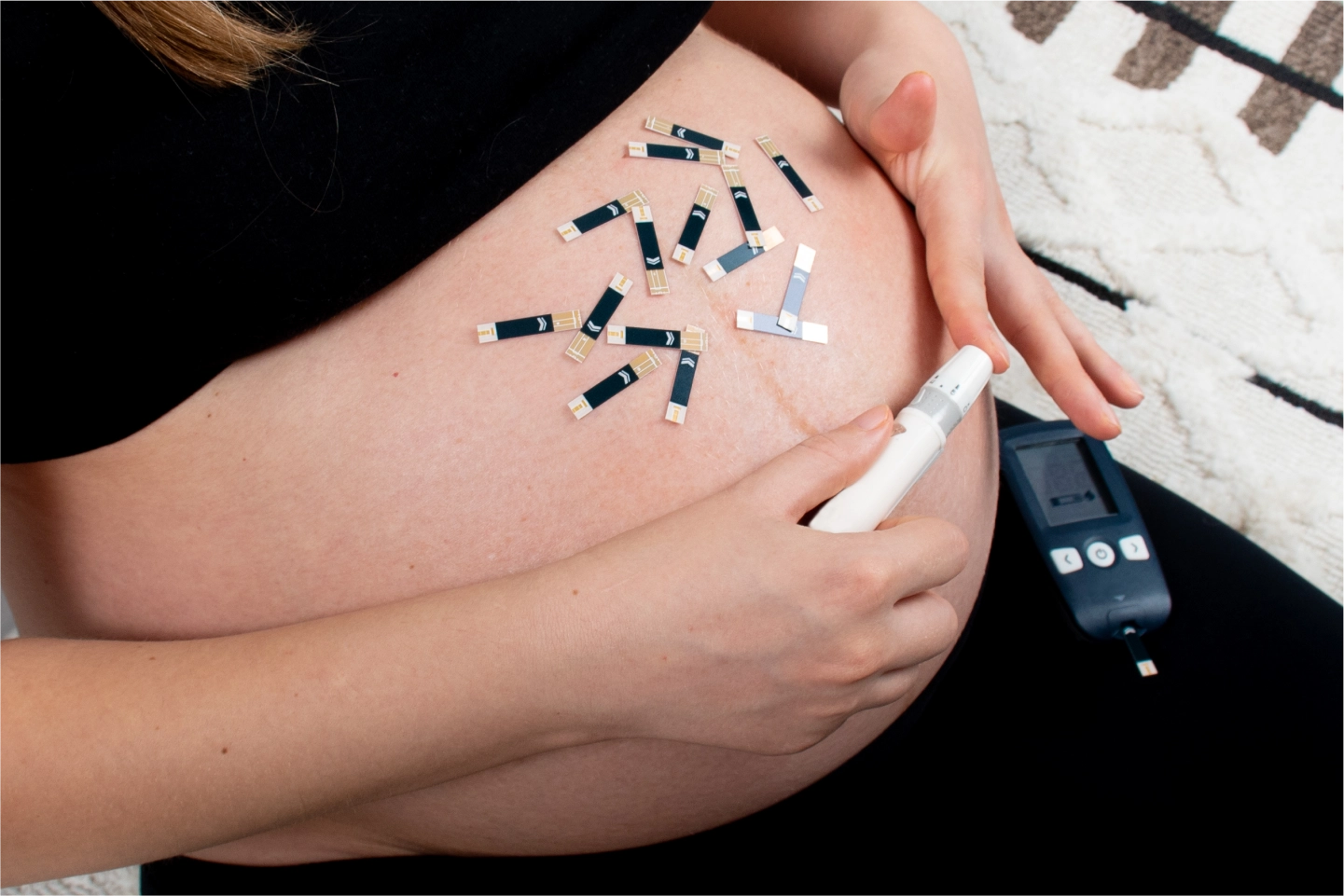
Pregnancy is a beautiful journey, but it comes with its own set of health challenges. One of the most common concerns expectant mothers face is gestational diabetes mellitus (GDM) — a type of diabetes that develops during pregnancy. Usually appearing in the second or third trimester, GDM occurs when the body cannot produce enough insulin to handle the increased blood sugar levels caused by pregnancy-related hormonal changes. While gestational diabetes often resolves after childbirth, proper management during pregnancy is critical to safeguard both the mother’s and baby’s health.
Understanding the Causes of Gestational Diabetes
Gestational diabetes develops when your body’s insulin production cannot keep up with the demands of pregnancy. Several factors increase the risk:
- Hormonal Changes: Placental hormones such as human placental lactogen can block insulin action, causing insulin resistance.
- Overweight or Obesity: Women with a higher BMI are at greater risk for developing GDM.
- Family History of Diabetes: Genetics plays a role in predisposing some women to gestational diabetes.
- Advanced Maternal Age: Women over 25–30 years of age are more susceptible.
- Previous Pregnancy Complications: A history of gestational diabetes or giving birth to a large baby increases risk.
These factors, combined with lifestyle and diet habits, contribute to elevated blood sugar levels during pregnancy. Recognizing these risks early is essential for effective management.
Diet Tips for Managing Gestational Diabetes
A balanced diet is one of the cornerstones of gestational diabetes management. Proper nutrition helps control blood sugar levels, prevents excessive weight gain, and supports the baby’s growth. Here are practical dietary guidelines:
- Balanced Meals: Every meal should include complex carbohydrates, lean proteins, and healthy fats to stabilize blood sugar.
- Frequent Small Meals: Eating 5–6 smaller meals per day can prevent spikes in glucose levels.
- High-Fiber Foods: Whole grains, vegetables, and certain fruits help slow glucose absorption.
- Limit Refined Sugars: Avoid sugary drinks, desserts, and white bread that can cause sudden blood sugar surges.
- Hydration: Drinking plenty of water throughout the day aids in maintaining healthy glucose levels.
- Carbohydrate Monitoring: Distribute carbohydrate intake evenly across meals, and consult your obstetrician or dietitian for personalized guidance.
A structured diet plan, tailored to individual needs, is highly effective in managing gestational diabetes without medications in many cases.
Monitoring Blood Sugar During Pregnancy
Monitoring blood sugar levels is crucial to prevent complications such as high birth weight, preterm birth, or cesarean delivery. Key strategies include:
- Self-Monitoring: Regularly check fasting and post-meal glucose levels using a glucometer.
- Routine Prenatal Checkups: Your obstetrician tracks blood sugar trends, fetal growth, and overall maternal health.
- HbA1c Tests: Occasionally performed to assess long-term glucose control.
- Adjustments: Based on readings, your doctor may recommend diet modifications, exercise, or insulin therapy.
Proper monitoring ensures that both mother and baby remain safe throughout the pregnancy.
FAQs about Gestational Diabetes
Q1: Can gestational diabetes harm my baby?
A: Uncontrolled GDM can lead to high birth weight, preterm delivery, or low blood sugar in the newborn. Proper management significantly reduces these risks.
Q2: Can gestational diabetes be reversed naturally?
A: Lifestyle measures such as diet control and moderate exercise can help manage blood sugar, but GDM typically resolves after delivery rather than being “cured” during pregnancy.
Q3: Will I need insulin?
A: Not all women require insulin. Some can manage gestational diabetes with diet and exercise, while others may need insulin or oral medications under doctor supervision.
Q4: Is exercise safe during pregnancy?
A: Yes, moderate, doctor-approved exercise such as walking or prenatal yoga can help regulate blood sugar. Always consult your obstetrician before starting or modifying your routine.
Q5: Does gestational diabetes go away after birth?
A: Usually, GDM resolves after delivery, but women remain at a higher risk of developing type 2 diabetes later in life. Postpartum screening is recommended.
Q6: How often should I check my blood sugar?
A: Typically, fasting and post-meal checks are recommended daily, but frequency depends on your doctor’s guidance and blood sugar trends.
Empower Your Pregnancy Journey With Dr. Kiranjeet Kaur
Pregnancy is a time to focus on both your health and your baby’s well-being. Managing gestational diabetes requires awareness, discipline, and expert care. Dr. Kiranjeet Kaur, Obstetrics & Gynecologist, provides personalized guidance for managing blood sugar, creating diet plans, and monitoring your pregnancy closely.
Book Your Consultation With Dr. Kiranjeet Kaur Today
Receive expert care to manage gestational diabetes safely, maintain healthy blood sugar levels, and ensure a smooth, healthy pregnancy journey. With the right support, you can enjoy a safe pregnancy and give your baby the best start in life.


OPD TIMING
Clinic: Monday to Saturday
10 am to 12 pm
Hospital: Monday & Friday: 3 pm - 6 pm
Wednesday: 12 pm -2 pm
Thursday: 4 pm -8 pm
Saturday: 8 am -11 am
Ph No - +91-11-71212121
Expert Gynecological Care for Every Stage of Life


OVERVIEW
SERVICES
SUPPORT
© 2025 Aartas Care Pvt. Ltd. | All rights reserved | Website Design by Remedo