
Hysteroscopy For Fibroid Removal
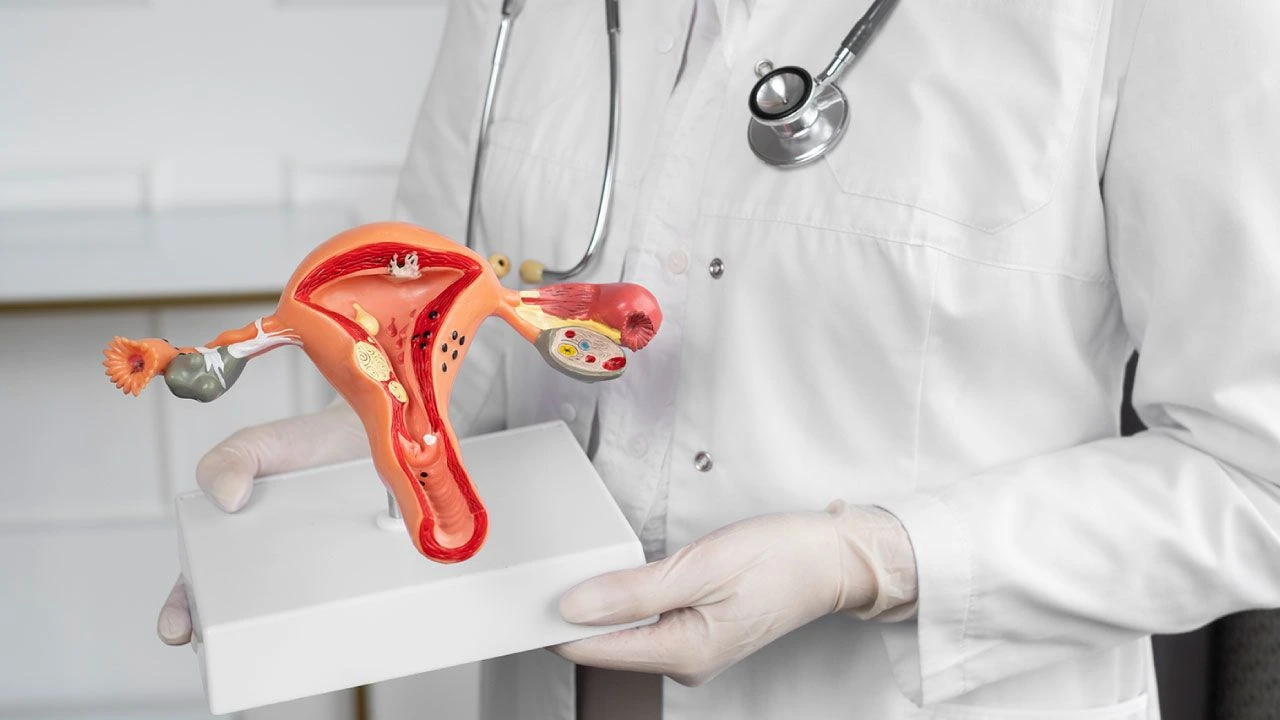
Introduction
Uterine fibroids are non-cancerous growths that develop in or around the uterus. Many women experience symptoms such as heavy menstrual bleeding, pelvic pain, prolonged periods, or difficulty conceiving due to fibroids. When fibroids grow inside the uterine cavity, they can significantly affect a woman’s reproductive health and quality of life.
Hysteroscopy for fibroid removal, also known as hysteroscopic myomectomy, is a minimally invasive procedure that allows doctors to remove fibroids from inside the uterus without making external cuts. This advanced technique provides effective relief from symptoms while preserving the uterus and fertility.
Dr. Kiranjeet Kaur specializes in modern gynecological procedures like hysteroscopy to safely treat fibroids and help women regain reproductive health.
What Is Hysteroscopy For Fibroid Removal?
Hysteroscopy is a procedure that allows the doctor to view the inside of the uterus using a thin, lighted instrument called a hysteroscope. The hysteroscope is inserted through the vagina and cervix into the uterus, eliminating the need for surgical incisions.
When fibroids are located within the uterine cavity (called submucosal fibroids), they can be removed using special surgical instruments passed through the hysteroscope. This technique is known as hysteroscopic myomectomy.
The procedure is commonly recommended for women experiencing:
- Heavy or prolonged menstrual bleeding
- Irregular bleeding between periods
- Pelvic discomfort or pressure
- Infertility related to fibroids
- Recurrent miscarriages caused by uterine cavity distortion
Removing these fibroids can significantly improve symptoms and reproductive outcomes.
Who Is A Good Candidate For Hysteroscopic Fibroid Removal?
Not all fibroids require hysteroscopic surgery. This procedure is typically recommended when fibroids:
- Are located inside the uterine cavity
- Cause heavy bleeding or anemia
- Interfere with fertility or pregnancy
- Are small to moderate in size
Fibroids located deeper in the uterine wall or outside the uterus may require other procedures such as laparoscopic or open surgery.
A detailed evaluation with ultrasound or other imaging tests helps the gynecologist determine whether hysteroscopy is the most suitable treatment.
How The Procedure Is Performed
Hysteroscopic fibroid removal is usually performed as a day-care procedure and may take around 30 to 90 minutes depending on the size and number of fibroids.
The procedure typically involves the following steps:
Anesthesia
The patient may receive local, regional, or general anesthesia to ensure comfort during the procedure.
Insertion Of Hysteroscope
The hysteroscope is gently inserted through the vagina and cervix into the uterus.
Visualization Of Fibroid
A camera attached to the hysteroscope allows the doctor to clearly view the uterine cavity on a monitor.
Removal Of Fibroid
Special surgical instruments or an electrosurgical loop are used to cut and remove the fibroid tissue.
Completion Of Procedure
The fibroid fragments are removed, and the uterus is carefully inspected before the procedure ends.
Since the surgery is performed through natural openings, there are no visible scars on the abdomen.
Benefits Of Hysteroscopy For Fibroid Removal
Hysteroscopic myomectomy offers several advantages compared to traditional surgery.
Minimally Invasive
The procedure does not require external incisions, reducing surgical trauma.
Faster Recovery
Most women can go home the same day and return to normal activities within a few days.
Relief From Symptoms
Removal of fibroids can significantly reduce heavy bleeding, pelvic pressure, and menstrual discomfort.
Preserves Fertility
The uterus remains intact, making this procedure suitable for women planning pregnancy.
No Visible Scars
Because the surgery is performed through the vagina and cervix, there are no cuts on the abdomen.
Recovery After The Procedure
Recovery after hysteroscopic fibroid removal is generally quick. Most women experience mild cramping or light spotting for a few days following the procedure.
Doctors usually recommend:
- Rest for a short period after surgery
- Avoid heavy lifting for 1–2 weeks
- Use sanitary pads instead of tampons initially
- Attend follow-up appointments for monitoring recovery
Many patients return to routine activities within a few days, making this procedure a convenient treatment option.
Possible Risks And Complications
Although hysteroscopy is considered a safe procedure, certain rare complications may occur, including:
- Excessive bleeding
- Infection
- Uterine perforation
- Fluid imbalance during the procedure
Choosing an experienced gynecologist significantly reduces the risk of complications.
When To See A Gynecologist
Women experiencing the following symptoms should consult a gynecologist for evaluation:
- Very heavy periods or prolonged bleeding
- Severe menstrual pain
- Difficulty getting pregnant
- Recurrent miscarriages
- Persistent pelvic pressure or discomfort
Early diagnosis and treatment of fibroids can prevent complications and improve reproductive health.
FAQs
Q: Is hysteroscopy painful?
A: The procedure is performed under anesthesia, so patients usually do not feel pain during surgery. Mild cramps may occur afterward but typically resolve within a few days.
Q: How long does hysteroscopic fibroid removal take?
A: The procedure usually takes between 30 minutes and 90 minutes depending on the size and number of fibroids.
Q: Can I get pregnant after hysteroscopic fibroid removal?
A: Yes. Removing fibroids that distort the uterine cavity can improve fertility and increase the chances of pregnancy.
Q: How soon can I return to normal activities?
A: Most women can resume normal activities within a few days after the procedure.
Q: Can fibroids come back after hysteroscopy?
A: Yes, new fibroids may develop over time, but removing existing fibroids usually relieves symptoms and improves uterine health.
Get Expert Care
Hysteroscopy for fibroid removal is a safe, effective, and minimally invasive treatment for women suffering from submucosal fibroids. The procedure allows doctors to remove fibroids without abdominal incisions while preserving the uterus and fertility.
With faster recovery, fewer complications, and excellent outcomes, hysteroscopic myomectomy has become a preferred option for managing certain types of uterine fibroids. Consulting an experienced gynecologist like Dr. Kiranjeet Kaur ensures accurate diagnosis and the most appropriate treatment plan for each patient.


OPD TIMING
Clinic: Monday to Saturday
10 am to 12 pm
Hospital: Monday & Friday: 3 pm - 6 pm
Wednesday: 12 pm -2 pm
Thursday: 4 pm -8 pm
Saturday: 8 am -11 am
Ph No - +91-11-71212121
Expert Gynecological Care for Every Stage of Life


OVERVIEW
SERVICES
SUPPORT
© 2025 Aartas Care Pvt. Ltd. | All rights reserved | Website Design by Remedo