
PMOS: More Than Just An Ovarian Condition
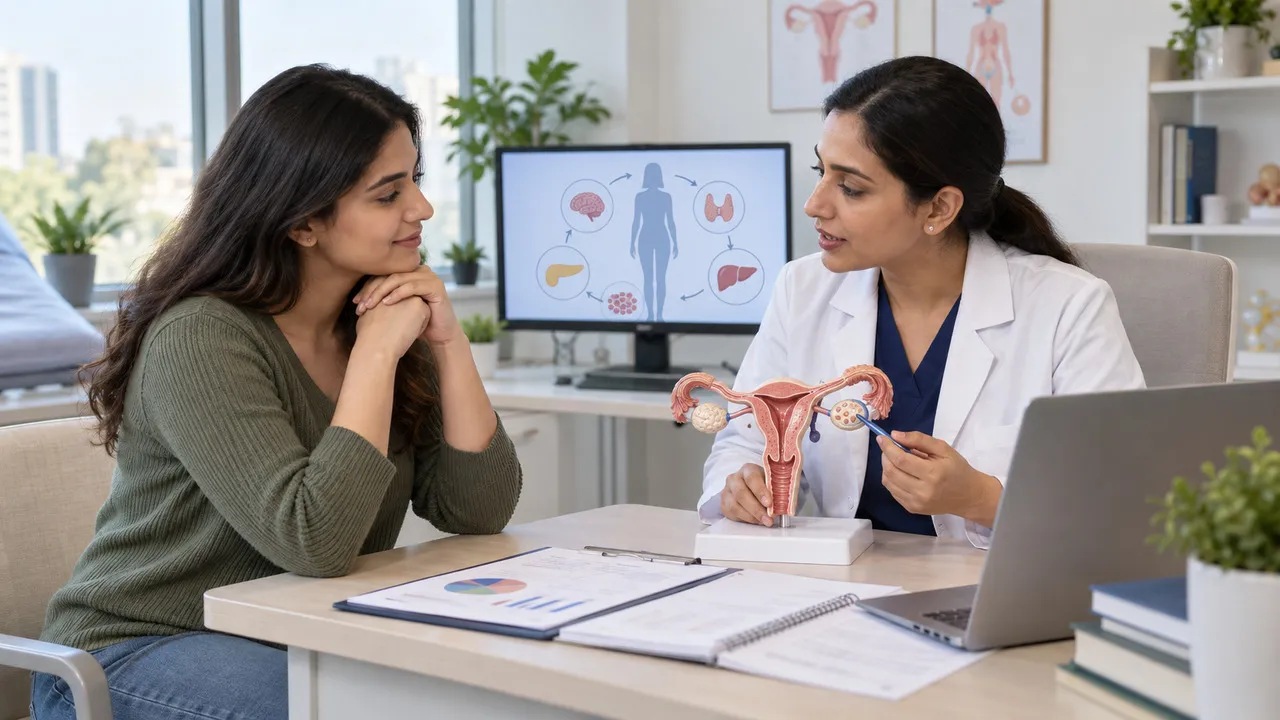
When people hear the term PCOS referred to as o polycystic ovary syndrome, they often think about irregular periods, ovarian cysts, or difficulty getting pregnant. However, this condition is more complex than an ovarian problem alone.
PCOS is now renamed as PMOS, polycystic metabolic ovarian syndrome. It is a hormonal and metabolic condition that can affect several aspects of a woman's health. Its symptoms and severity can vary widely, which is one reason it may sometimes take time to recognize and diagnose.
Understanding PMOS as a whole body condition rather than simply an ovarian disorder can help women seek appropriate care and manage symptoms more effectively.
What Is PCOS or PMOS ?
It is a common hormonal condition that can affect women during their reproductive years. It is associated with hormonal imbalance, irregular or absent ovulation, and signs of increased androgen activity.
Despite its name, having ovarian cysts is not necessary for a diagnosis. Some women with PCOS may have ovaries with multiple small follicles on ultrasound, while others may not.
Diagnosis is generally based on a combination of symptoms, medical history, examination, and appropriate investigations.
Why Is PMOS More Than An Ovarian Condition?
The ovaries are involved in PCOS, but the condition can affect several systems in the body.
PCOS may be associated with:
- Irregular menstrual cycles
- Difficulty with ovulation
- Excess facial or body hair
- Acne or oily skin
- Hair thinning or scalp hair loss
- Weight gain or difficulty losing weight
- Insulin resistance
- Increased risk of certain metabolic problems like increased cholesterol, diabetes, chronic inflammation
Not every woman experiences all of these symptoms. Two women with PCOS can have very different symptoms and health concerns.
How Does PCOS Affect Periods?
One of the most common signs of PCOS is an irregular menstrual cycle.
When ovulation does not occur regularly, periods may become infrequent, unpredictable, or absent. Some women may have longer gaps between periods, while others may experience irregular bleeding.
Irregular periods should not automatically be attributed to PCOS. Other hormonal, reproductive, and medical conditions can cause similar changes, so proper evaluation is important.
What Is The Connection Between PCOS And Insulin Resistance?
Insulin is a hormone that helps the body use glucose for energy. Some women with PCOS have insulin resistance, meaning the body's cells do not respond to insulin as effectively as they should.
The body may compensate by producing more insulin. Higher insulin levels can contribute to increased androgen activity and may interfere with normal ovulation.
Insulin resistance is not present in every woman with PCOS, but it is an important part of the metabolic picture for many patients.
Can PCOS Affect Fertility?
Yes. PCOS is one of the common causes of ovulatory infertility.
Irregular ovulation means that an egg may not be released regularly, making it more difficult to predict the fertile window and conceive naturally.
The good news is that many women with PCOS can become pregnant with appropriate management. Treatment depends on the individual's reproductive goals and may include lifestyle measures, medications to induce ovulation, or other fertility treatments when necessary.
Does PCOS Cause Weight Gain?
Weight gain and difficulty with weight management can occur in women with PCOS, but PCOS does not affect everyone in the same way.
Women who are not overweight can also have PCOS and may still experience insulin resistance, irregular periods, acne, excess hair growth, or fertility problems.
This is why PCOS should not be diagnosed or managed based only on body weight.
Can PCOS Affect The Skin And Hair?
Hormonal changes associated with PCOS can increase androgen activity in some women.
This may contribute to:
- Increased facial or body hair
- Persistent acne
- Oily skin
- Thinning of scalp hair
These symptoms can affect confidence and emotional well being as well as physical health. Treatment can be tailored according to the symptoms that are most bothersome to the individual.
Does PCOS Increase The Risk Of Other Health Problems?
PCOS can be associated with an increased risk of certain metabolic and reproductive health problems.
Depending on individual risk factors, women with PCOS may have a higher likelihood of developing insulin resistance, abnormal cholesterol levels, high blood pressure, or type 2 diabetes.
Long periods without ovulation can also cause the uterine lining to remain exposed to estrogen without the regular progesterone changes associated with ovulation. Over time, this can increase the risk of excessive thickening of the uterine lining.
This does not mean that every woman with PCOS will develop these problems. Regular medical follow up can help identify and manage relevant risk factors.
How Is PCOS Diagnosed?
There is no single test that can diagnose PCOS in every woman.
A doctor may consider:
- Menstrual history
- Symptoms of androgen excess
- Physical examination
- Blood tests for hormone levels and metabolic health
- Pelvic ultrasound when appropriate
- Other possible causes of irregular periods or hormonal symptoms
The diagnosis should be made after considering the overall clinical picture rather than relying on ultrasound findings alone.
How Is PCOS Managed?
There is no single treatment that works for every woman with PCOS. Management depends on symptoms, age, health factors, and whether pregnancy is currently desired.
Treatment may include:
- Regular physical activity
- Balanced nutrition
- Weight management when appropriate
- Medicines to regulate menstrual cycles
- Treatment for acne or excess hair growth
- Medicines that improve insulin sensitivity when indicated
- Fertility treatment for women trying to conceive
Even when symptoms improve, ongoing monitoring may be helpful because PCOS can change throughout different stages of life.
Can Lifestyle Changes Help With PCOS?
Healthy lifestyle habits can be an important part of PCOS management, particularly for women with metabolic risk factors.
Regular physical activity, adequate sleep, balanced meals, and maintaining a healthy weight when appropriate may support metabolic health and improve some PCOS symptoms.
Lifestyle changes should be realistic and sustainable rather than based on extreme diets or rapid weight loss.
When Should You See A Gynecologist?
You should consider medical evaluation if you experience:
- Very irregular or absent periods
- Excess facial or body hair
- Persistent acne
- Unexplained hair thinning
- Difficulty becoming pregnant
- Unexplained weight changes
- Concerns about blood sugar or metabolic health
Early evaluation can help determine whether PCOS is present and whether another condition may be responsible for the symptoms.
Looking Beyond The Ovaries
PCOS is much more than a condition involving the ovaries. Its effects can extend to menstrual health, fertility, metabolism, skin, hair, and overall well being. Recognizing this broader picture allows treatment to focus on the woman's individual symptoms and long term health rather than only what appears on an ultrasound.
If you have irregular periods, hormonal symptoms, fertility concerns, or other signs associated with PCOS, Dr. Kiranjeet Kaur can evaluate your symptoms and guide you toward appropriate diagnosis, treatment, and long term reproductive health care.
FAQs
Q: Is PCOS only an ovarian disease?
A: No. PCOS is a hormonal and metabolic condition that can affect menstrual cycles, ovulation, fertility, skin, hair, insulin sensitivity, and long term metabolic health.
Q: Do all women with PCOS have ovarian cysts?
A: No. Despite the name, ovarian cysts are not required for a diagnosis of PCOS. Diagnosis is based on the overall clinical picture and appropriate criteria.
Q: Can a woman with PCOS get pregnant?
A: Yes. Many women with PCOS become pregnant naturally or with appropriate fertility treatment. Management depends on the cause of ovulatory problems and individual fertility goals.
Q: Can PCOS be cured permanently?
A: PCOS is generally considered a long term condition rather than something that can simply be cured. However, its symptoms and associated health risks can often be effectively managed.
Q: Can thin women have PCOS?
A: Yes. PCOS can affect women of different body sizes. Being overweight is not a requirement for having PCOS.


OPD TIMING
Clinic: Monday to Saturday
10 am to 12 pm
Hospital: Monday & Friday: 3 pm - 6 pm
Wednesday: 12 pm -2 pm
Thursday: 4 pm -8 pm
Saturday: 8 am -11 am
Ph No - +91-11-71212121
Expert Gynecological Care for Every Stage of Life


OVERVIEW
SERVICES
SUPPORT
© 2025 Aartas Care Pvt. Ltd. | All rights reserved | Website Design by Remedo