
Why Some Women Have Pain-Free Periods And Others Don’t
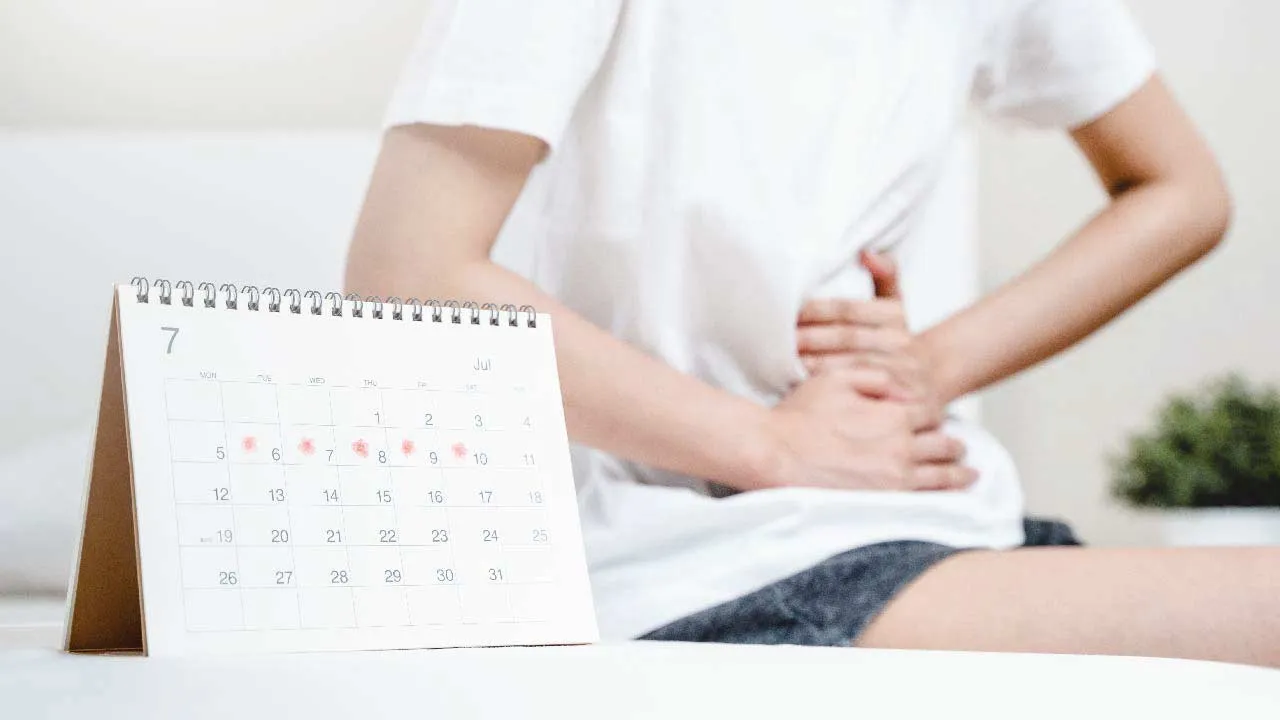
For some women, periods are little more than a monthly inconvenience. For others, they can bring intense cramps, back pain, fatigue, and discomfort that disrupt daily life. This difference often raises an important question: why do some women have pain-free periods while others experience significant menstrual pain?
The answer lies in a combination of hormones, genetics, individual pain sensitivity, lifestyle factors, and underlying medical conditions. Understanding these differences can help women recognize what is normal and when it may be time to seek medical advice.
According to Dr. Kiranjeet Kaur, while mild menstrual discomfort is common, severe or worsening period pain should never be considered something a woman simply has to live with.
What Causes Period Pain?
During menstruation, the uterus contracts to shed its lining. These contractions are triggered by hormone-like substances called prostaglandins.
Higher levels of prostaglandins can cause:
- Stronger uterine contractions
- Reduced blood flow to uterine tissues
- More intense menstrual cramps
Women who produce higher amounts of prostaglandins often experience more painful periods.
Why Do Some Women Have Minimal Or No Pain?
Several factors may contribute to pain-free or mildly uncomfortable periods.
Lower Prostaglandin Levels
Women with lower prostaglandin production tend to experience less intense uterine contractions and therefore less pain.
Individual Pain Perception
Pain tolerance varies from person to person. Some women naturally perceive menstrual discomfort less intensely than others.
Hormonal Differences
Variations in hormone levels can influence how strongly the uterus contracts during menstruation.
Healthy Lifestyle Factors
Regular physical activity, balanced nutrition, adequate sleep, and stress management may contribute to better menstrual comfort.
Why Are Periods Painful For Some Women?
Painful periods can occur even in otherwise healthy women.
Common contributing factors include:
Increased Prostaglandin Production
This is one of the most common reasons for primary menstrual cramps.
Family History
Period pain often runs in families. Women whose mothers or sisters experienced severe cramps may be more likely to experience them as well.
Early Menstruation
Women who started menstruating at a younger age may have a greater likelihood of experiencing menstrual pain.
Heavy Menstrual Flow
Heavier periods are sometimes associated with stronger uterine contractions and increased discomfort.
Stress
Emotional stress can influence hormone levels and may make menstrual symptoms feel more intense.
What Is Primary Dysmenorrhea?
Primary dysmenorrhea refers to menstrual pain that occurs without an underlying pelvic disease.
Characteristics include:
- Cramping pain before or during periods
- Lower abdominal discomfort
- Pain lasting one to three days
- Symptoms that often improve with age or after childbirth
This is the most common type of period pain.
What Is Secondary Dysmenorrhea?
Secondary dysmenorrhea occurs when menstrual pain is caused by an underlying medical condition.
Unlike primary dysmenorrhea, the pain may:
- Become progressively worse
- Last longer than usual
- Begin later in life
- Interfere significantly with daily activities
- Conditions That Can Cause Painful Periods-
Endometriosis
Tissue similar to the uterine lining grows outside the uterus, causing inflammation and significant pelvic pain.
Adenomyosis
The uterine lining grows into the muscular wall of the uterus, often leading to painful and heavy periods.
Uterine Fibroids
Fibroids can contribute to pelvic pressure, heavy bleeding, and menstrual discomfort.
Pelvic Inflammatory Disease
Infection of the reproductive organs may cause pelvic pain and painful menstruation.
Ovarian Cysts
Certain ovarian cysts may contribute to pelvic pain that worsens during menstruation.
Symptoms That May Require Medical Attention
While mild cramps are common, some symptoms should not be ignored.
Consult a gynecologist if you experience:
- Severe pain that disrupts daily activities
- Sudden worsening of menstrual cramps
- Heavy menstrual bleeding
- Pain between periods
- Pain during intercourse
- Difficulty becoming pregnant
- Menstrual symptoms that do not improve with routine measures
These symptoms may indicate an underlying condition requiring evaluation.
How Is Menstrual Pain Evaluated?
A gynecological assessment may include:
Medical History
Understanding symptom patterns, menstrual history, and family history.
Physical Examination
Assessment for pelvic tenderness or abnormalities.
Ultrasound
Helps identify conditions such as fibroids, ovarian cysts, or adenomyosis.
Additional Testing
Further investigations may be recommended depending on symptoms and clinical findings.
Can Painful Periods Be Managed?
Yes.
Treatment depends on the underlying cause and severity of symptoms.
Options may include:
- Lifestyle modifications
- Regular exercise
- Heat therapy
- Medications for pain relief
- Hormonal treatments
- Treatment of underlying gynecological conditions
Individualized care often provides the best results.
Does Period Pain Change Over Time?
It can.
Some women notice improvement as they get older, while others may develop new symptoms due to evolving gynecological conditions.
Any significant change in menstrual patterns should be discussed with a healthcare professional.
When Should You Consult A Gynecologist?
You should seek medical advice if:
- Period pain affects work, school, or daily life
- Symptoms are worsening over time
- Over-the-counter remedies are ineffective
- You experience unusually heavy bleeding
- You suspect an underlying gynecological problem
Early evaluation can help identify treatable causes and improve quality of life.
Conclusion
Every woman's menstrual experience is unique. While some women have pain-free periods due to lower prostaglandin levels, hormonal differences, and individual pain sensitivity, others experience significant discomfort because of stronger uterine contractions or underlying gynecological conditions.
Dr. Kiranjeet Kaur emphasizes that severe menstrual pain should not be dismissed as normal. Understanding the causes of period pain and seeking timely medical evaluation when symptoms are concerning can help women achieve better reproductive health and improved quality of life.
FAQs
Q: Is It Normal To Have No Period Pain?
A: Yes. Some women experience little or no discomfort during menstruation, and this can be completely normal.
Q: Why Do Some Women Have More Painful Periods Than Others?
A: Differences in prostaglandin levels, hormones, genetics, pain sensitivity, and underlying health conditions can all influence menstrual pain.
Q: When Should Period Pain Be Considered Abnormal?
A: Pain that interferes with daily activities, worsens over time, or occurs with heavy bleeding should be evaluated by a gynecologist.
Q: Can Endometriosis Cause Severe Period Pain?
A: Yes. Endometriosis is a common cause of significant menstrual pain and pelvic discomfort.
Q: Can Lifestyle Changes Help Reduce Period Pain?
A: Regular exercise, stress management, adequate sleep, and healthy habits may help improve menstrual comfort for some women.
Experiencing painful periods or concerned about changes in your menstrual cycle? Consult Dr. Kiranjeet Kaur for expert gynecological evaluation, accurate diagnosis, and personalized care to help you achieve better menstrual and reproductive health.


OPD TIMING
Clinic: Monday to Saturday
10 am to 12 pm
Hospital: Monday & Friday: 3 pm - 6 pm
Wednesday: 12 pm -2 pm
Thursday: 4 pm -8 pm
Saturday: 8 am -11 am
Ph No - +91-11-71212121
Expert Gynecological Care for Every Stage of Life


OVERVIEW
SERVICES
SUPPORT
© 2025 Aartas Care Pvt. Ltd. | All rights reserved | Website Design by Remedo